
Pico Laser Treatment
in Chennai
Target Pigmentation & Uneven Tone with Picosecond Laser Precision
Pigmentation, melasma, acne scars and uneven skin tone are often caused by excess melanin production triggered by sun exposure, hormonal changes or inflammation. Pico Laser is an advanced picosecond laser treatment that breaks down pigment particles with ultra-short pulses of energy, targeting discolouration precisely while leaving surrounding skin undisturbed.
At our Anna Nagar clinic, every Pico Laser Treatment is performed only after a detailed skin assessment by experienced dermatologists to determine the right wavelength and energy setting for your pigmentation type, skin tone and treatment goals.
- Precise & Targeted
- Minimal Downtime
- Safe & Effective
- Suitable for Most Skin Tones
- What is Pico Laser Treatment?
- Benefits
- Procedure
- Results
- Cost
- Before & After
- FAQs
What is Pico Laser Treatment ?
Pico Laser is an advanced laser resurfacing treatment that delivers energy in picoseconds – trillionths of a second – rather than the nanosecond pulses used in older laser technologies. This ultra-short pulse duration creates a photoacoustic effect, physically shattering pigment particles like melanin into tiny fragments, instead of relying primarily on heat to break them down. The fragmented pigment is then naturally cleared away by the body’s own lymphatic system over the following weeks.
This mechanism is what makes Pico Laser different from traditional Q-switched lasers used in treatments like Laser Toning: because picosecond pulses generate a mechanical shattering effect rather than a purely thermal one, there is significantly less heat transferred to surrounding tissue. This means less risk of damaging the epidermis or triggering post-inflammatory pigmentation, which is a common concern with older, slower laser technologies – particularly for melanin-rich skin tones common in Indian skin.
Pico Laser is used to treat a wide range of concerns including pigmentation, melasma, acne scars, uneven skin tone, enlarged pores and even tattoo removal, since the same photoacoustic principle works on ink particles as well as melanin. The precision of picosecond technology also means it can stimulate collagen remodelling in the dermis without significantly disrupting the skin’s surface, supporting gradual improvements in texture alongside tone correction.
How Pico Laser Helps:
- Breaks down melanin and pigment particles precisely
- Improves melasma, sun spots and uneven skin tone
- Reduces the appearance of acne scars
- Minimises enlarged pores over a course of sessions
- Stimulates collagen remodelling in the dermis
- Supports safe tattoo removal in select cases
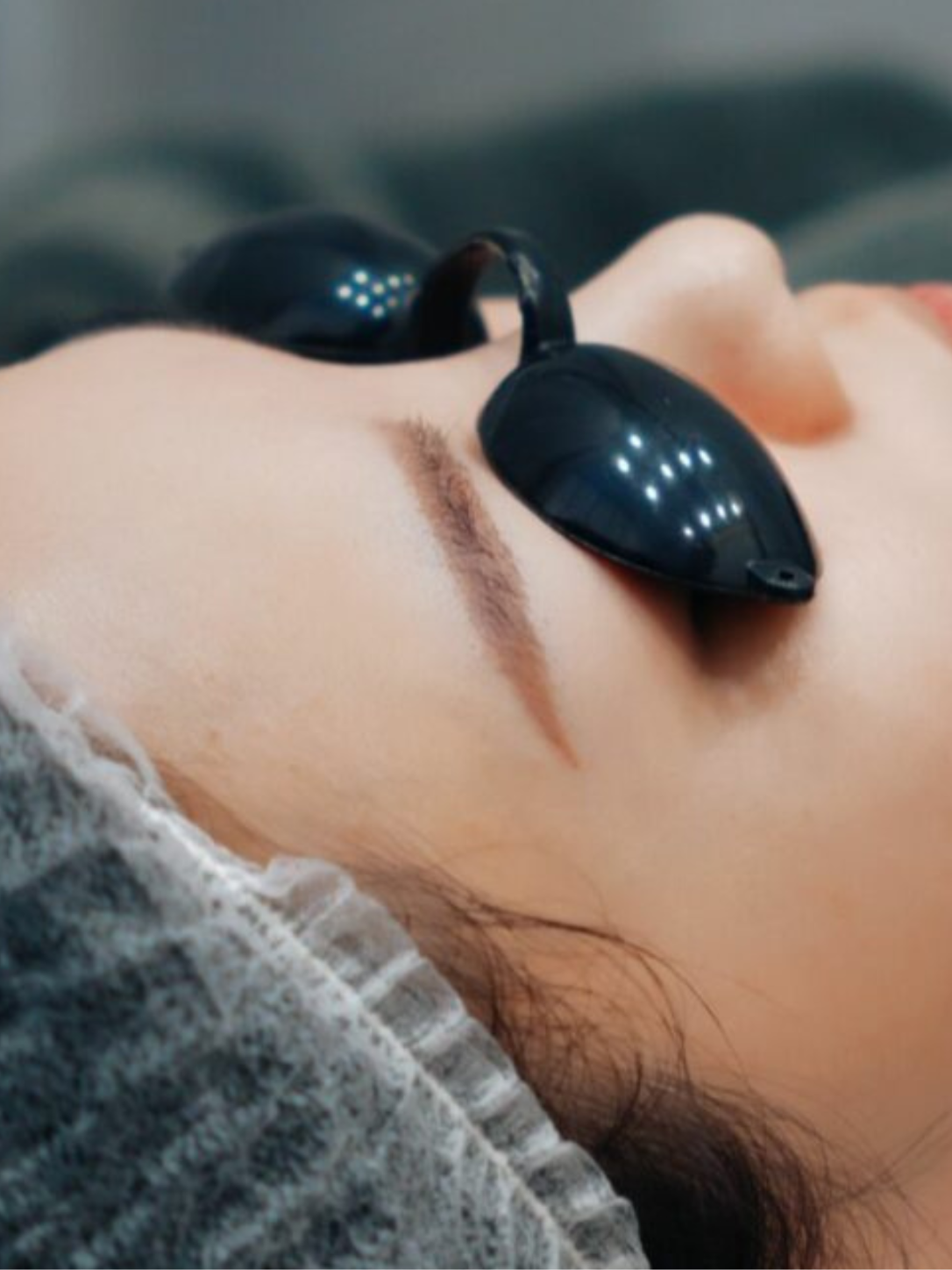
Treatment at a Glance
Procedure
Picosecond Laser Pigment Correction
Duration
20-30 Minutes
Suitable For
Most Skin Tones
Sessions
4-6 Recommended
Recovery
Minimal
Consultation
Required
Starting Cost
₹5,000* Per Session
Who Should Consider Pico Laser?
- Pigmentation, sun spots or melasma
- Acne scars or uneven skin texture
- Enlarged pores and dull skin tone
- Those wanting precise, targeted correction
- Individuals with stubborn discolouration
- Men & women seeking minimal-downtime results
Who Should Avoid Pico Laser?
- Active skin infections or open wounds
- Recent sun tanning or sunburn
- Certain photosensitising medications
- Active cystic acne in the treatment area
- Keloid-prone or unstable pigment disorders
- Unsuitable after doctor's evaluation
Pico Laser vs Cosmelan Peel vs Laser Toning
Pico Laser Treatment Cost in Chennnai
Starting from
₹5,000
Per Session
Final cost depends on the treatment area, pigmentation depth and number of sessions recommended.
Safety & Side Effects
Pico Laser is a precise, minimal-downtime treatment when performed by trained professionals.
- Mild redness (a few hours)
- Slight warmth or sensitivity
- Rare temporary darkening
Recovery & Aftercare
- Apply broad-spectrum SPF daily
- Avoid direct sun exposure
- Avoid retinoids for a few days
- Keep skin gently moisturised
- Attend all scheduled follow-up sessions
What our Patient say
Frequently Asked Questions
What is Pico Laser Treatment?
Pico Laser is an advanced laser treatment that uses picosecond pulses to break down pigment particles like melanin through a photoacoustic effect. It is commonly used to treat pigmentation, melasma, acne scars and uneven skin tone, with minimal downtime compared to older laser technologies.
Is Pico Laser suitable forIndian skin tones?
Pico Laser is generally considered safer for melanin-rich skin tones because its picosecond pulses generate less heat than older laser technologies, reducing the risk of post-inflammatory pigmentation. Your dermatologist will still assess your specific skin type before confirming suitability.
How much does Pico Laser cost in Chennai?
Pico Laser treatment in Chennai typically starts from ₹3,500 per session at Anucare. The exact cost depends on the treatment area, depth of pigmentation and the number of sessions recommended during your consultation.
How is Pico Laser different from a regular laser toning?
Pico Laser uses picosecond pulses that shatter pigment mechanically with minimal heat, while Laser Toning typically uses longer nanosecond pulses that rely more on a thermal effect. This makes Pico Laser generally more precise with a lower risk of heat-related side effects.
How many sessions are needed?
Most pigmentation concerns require 4 to 6 sessions of Pico Laser for visible, lasting improvement. Your dermatologist will recommend a specific number of sessions based on the depth and type of pigmentation being treated.
Does Pico Laser hurt?
Pico Laser is generally well tolerated, with most clients describing a mild snapping or tingling sensation during the session. Numbing cream can be applied beforehand if you have lower pain tolerance or a larger treatment area.
Can Pico Laser treat melasma?
Pico Laser can help improve melasma, though melasma is a complex, often hormonally-driven condition that may respond better to a combination approach involving Cosmelan Peel or topical treatments alongside laser sessions.
Is there any downtime after Pico Laser?
Downtime after Pico Laser is minimal – most clients experience mild redness for a few hours that settles on its own. Strict sun protection is essential in the days following treatment to protect the treated skin.
Can Pico Laser be combined with other treatments?
Yes, Pico Laser is often combined with Cosmelan Peel, Chemical Peel or HydraFacial as part of a broader pigmentation-correction plan. Your dermatologist will advise on the right sequencing and spacing between treatments.
Is Pico Laser safe for tattoo removal?
Pico Laser can be used for tattoo removal in select cases, as the same photoacoustic effect that breaks down melanin also fragments tattoo ink particles. A dedicated consultation is needed to assess ink colour, depth and the number of sessions required.
Why choose Anucare for Pico Laser in Chennai?
Every Pico Laser Treatment at our Anna Nagar clinic is performed only after a detailed skin assessment by experienced dermatologists, with wavelength and energy settings customised to your pigmentation type rather than a standardised protocol.
How should I prepare before a Pico Laser session?
Avoid sun exposure, tanning and photosensitising skincare actives for at least one week before your session, and inform your dermatologist of any medications that may increase sun sensitivity.
EXPLORE OUR OTHER TREATMENTS
- Oxygeneo Facial
- Chemical Peel
- Cosmelan Peel
- Skin Lifting & Tightening
- HydraFacial