
ADVANCED BODY RESURFACING
Chemical Peel for Body Treatment in Chennai
Resurface Body Skin & Improve Texture, Tone and Breakouts
Body skin faces different challenges than facial skin – thicker skin, less consistent skincare attention, and areas prone to friction, bumps or breakouts. Chemical Peel for Body uses acid-based exfoliation adapted specifically for areas like the back, chest, arms and thighs, targeting concerns like body acne, keratosis pilaris, rough texture and body pigmentation.
At our Anna Nagar clinic, every Chemical Peel for Body session is performed only after a detailed skin assessment by experienced dermatologists to select the right acid type and concentration for your body skin’s tolerance and concern.
- Targets Multiple Concerns
- Minimal Downtime
- Safe & Effective
- Suitable for Men & Women
- What is a Chemical Peel?
- Benefits
- Procedure
- Results
- Cost
- Before & After
- FAQs
What is Chemical Peel for Body Treatment?
Chemical Peel for Body works on the same underlying principle as a facial chemical peel – an acid-based solution breaks down the bonds between dead, damaged skin cells so they shed more efficiently – but is adapted for the different characteristics of body skin. Body skin is generally thicker than facial skin, particularly on areas like the back and thighs, which often means body peels can be formulated at higher concentrations or applied differently than facial protocols to achieve an effective result.
The specific acid and concentration used depends heavily on which body concern is being addressed. Body acne on the back and chest often responds well to salicylic acid, an oil-soluble acid that penetrates effectively into sebum-filled pores, similar to how it’s used for facial acne. Keratosis pilaris – the small, rough bumps commonly seen on the upper arms and thighs, caused by a build-up of keratin around hair follicles – typically responds better to glycolic or lactic acid, which help soften and clear this keratin build-up over a course of sessions.
Body pigmentation in areas like the neck, underarms or thighs, meanwhile, often requires an adjusted-strength approach combined with attention to friction or irritation triggers, similar to the considerations covered on our dedicated body pigmentation page. Because body skin varies so much between these different areas and concerns, a proper assessment of which specific issue you’re treating – acne, bumps, pigmentation or general texture – is what determines the right acid and protocol, rather than a single generic body peel applied everywhere.
At our Anna Nagar clinic, every Chemical Peel for Body session is performed only after a detailed skin assessment by experienced dermatologists to identify your specific body skin concern and select the right acid type and concentration accordingly.
How this treatment helps
- Identifies the specific cause of your body pigmentation
- Gradually fades darkened patches in sensitive areas
- Uses techniques and strengths adjusted for delicate skin
- Addresses friction, shaving and product-related triggers
- Improves skin tone evenness across treated areas
- Provides guidance to help prevent recurrence
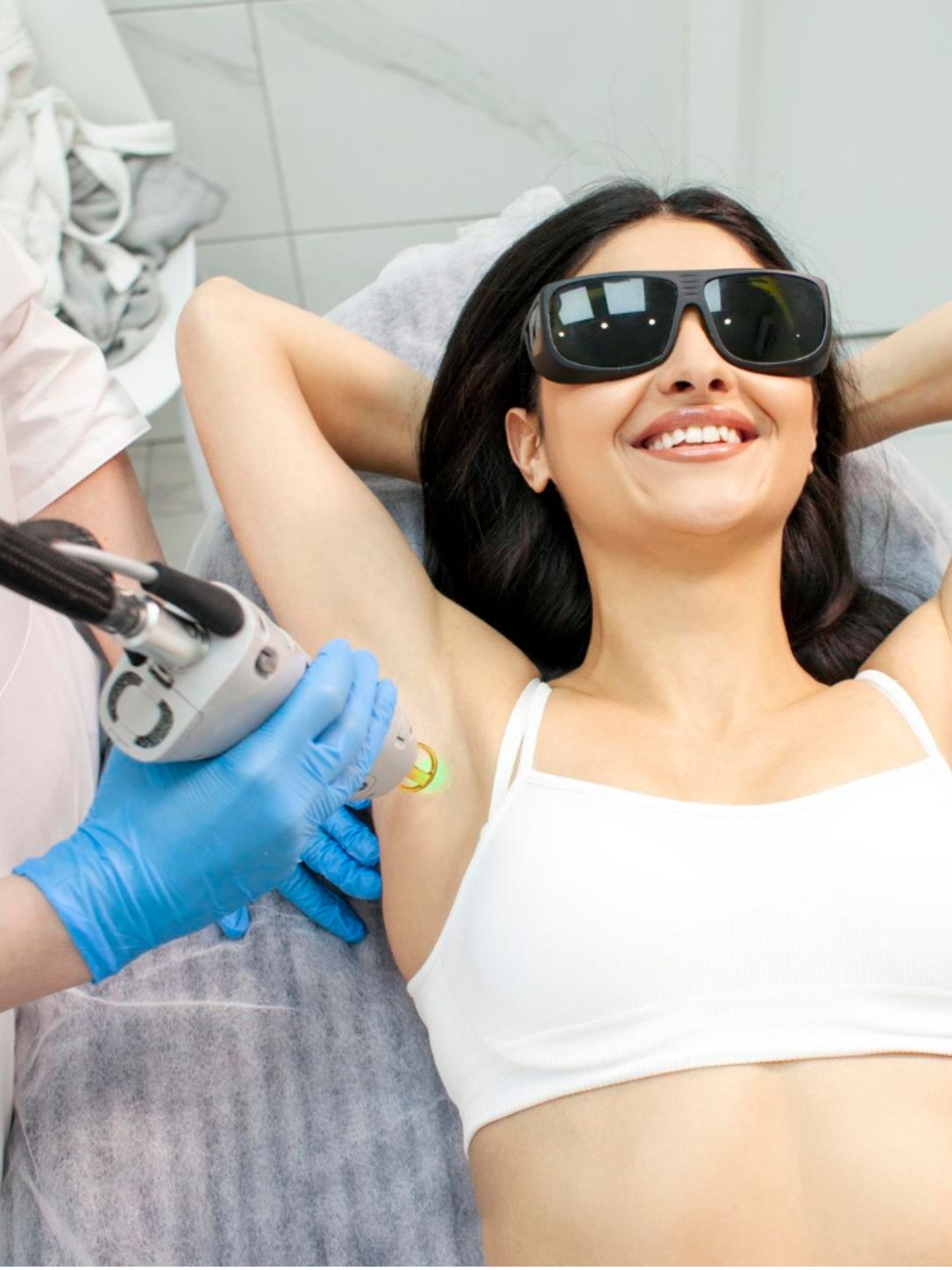
Treatment at a Glance
Procedure
Body-Adjusted Pigmentation Correction
Duration
Duration 45–60 Minutes
Suitable For
Suitable For Men & Women
Sessions
Based on Diagnosis
Recovery Quick
Quick
Consultation
Required
Starting Cost
₹5,000* Per Session
Who Should Consider Chemical Peel?
- Darkened underarms, neck or inner thighs
- Pigmentation worsened by shaving or friction
- Velvety, thickened patches on the neck
- Those self-conscious about sleeveless or shorts wear
- Individuals wanting an evidence-based approach
Who Should Avoid Chemical Peel?
- Neck darkening occasionally needs broader evaluation
- Friction triggers need to be addressed alongside treatment
- These areas require gentler, adjusted strengths
- Results build gradually over several sessions
- Severe Platelet Deficiency
Chemical Peel vs Pico Laser vs Cosmelan Peel
*Treatment costs may vary depending on the severity of pigmentation, treatment area, skin condition and your dermatologist's personalised treatment plan.
Chemical Peel Treatment Cost in chennai
Starting from
₹5,000
Per Session
Cost depends on severity of hair loss, sessions required, scalp condition and personalized treatment plan.
Safety & Side Effects
Safe when the right approach and strength is selected for sensitive areas.
- Varies by treatment chosen
- Mild sensitivity in delicate areas
- Rare irritation if not properly aftercare
Recovery & Aftercare
- Apply SPF to exposed treated areas
- Avoid tight clothing over treated skin
- Use gentle, fragrance-free products
- Reduce friction where possible
- Attend follow-up sessions as advised
What our Patient say
Frequently Asked Questions
What causes dark underarms, neck or thighs?
This type of pigmentation is most commonly caused by friction-induced hyperpigmentation from skin rubbing against skin or clothing, along with shaving, waxing or deodorant irritation. It is not caused by poor hygiene, which is a common misconception.
Is dark neck skin always related to a health condition?
Not always, but velvety, thickened darkening on the neck can sometimes be a sign of acanthosis nigricans, which is occasionally associated with insulin resistance. A dermatologist can assess whether further evaluation is warranted.
How much does this treatment cost in Chennai?
Cost varies depending on the treatment area and specific protocol recommended – Chemical Peel, Pico Laser or Cosmelan Peel – which your dermatologist will confirm after assessing the cause and severity of your pigmentation.
How many sessions are needed?
Most protocols involve 4 to 6 sessions for visible fading, though this depends on the treatment selected and the depth of pigmentation, which your dermatologist will outline during consultation.
Is this treatment safe for sensitive areas like underarms and thighs?
Yes, treatments are adjusted in strength and technique specifically for these more delicate areas, and a patch test may be used beforehand to confirm tolerance.
Can I use home remedies instead of professional treatment?
Home remedies generally offer limited, inconsistent results for established pigmentation and can occasionally cause irritation that worsens darkening. Professional, dermatologist-guided treatment offers a safer, more effective, evidence-based approach.
Why choose Anucare for body pigmentation treatment in Chennai?
Every session at our Anna Nagar clinic is performed only after a detailed skin assessment by experienced dermatologists, correctly identifying the cause before recommending the safest, most effective treatment for these sensitive areas.
How should I prepare before my consultation?
Avoid shaving or waxing the affected area for a few days beforehand, and be ready to discuss your typical clothing, shaving habits and any relevant health history.